Empowering Lives: A Comprehensive Guide to Cancer Care and Support
Navigating the cancer journey can be one of the most challenging experiences a person can face, filled with uncertainty and emotions that can feel overwhelming. From the moment a diagnosis is made, the words ‘malignancy’ and ‘tumor’ can send shivers down your spine, creating a cascade of questions. How will this change my life? What does this mean for my family? What are my options? In today's health landscape, understanding cancer care becomes not just necessary but essential. This blog serves as a guide to steer you through the tumultuous waters of oncology, helping you navigate from diagnosis to survivorship with support and knowledge.
Imagine sitting in a sterile hospital room, grappling with the reality that you or someone you love is facing cancer. The diagnosis can feel like a storm brewing, but knowledge is your anchor. This journey requires a firm grasp on medical terms like chemotherapy, radiation therapy, and immunotherapy—treatments that can seem daunting at first. Yet, with health education at your disposal, you can transform fear into power. Have you ever wondered how one can wield their knowledge against such a formidable opponent? Accepting what you're facing involves absorbing as much information as possible, including seeking out reputable health resources and blogs that shed light on the complexities of cancer care.
Support systems are another vital component of navigating this difficult terrain. Friends, family, support groups, and healthcare professionals all play a role in the cancer journey. Engaging with patient support networks can be just as crucial as any medical intervention. How do you find your village when facing a diagnosis? Building relationships with fellow patients, sharing stories, and benefiting from their experiences can unexpectedly ease the burdens of treatment and recovery. Remember, you are not alone; there are many warriors fighting the same battle, and together, you can create an empowering community.
As you traverse through treatments and approaches, embracing preventive measures and lifestyle changes become essential pillars in your journey. From dietary adjustments to exercise regimens, health education teaches us that what we put into our bodies can influence our resilience. Have you considered making small changes in your daily routine to amplify your fighting spirit? Every small step taken towards nutritional support and wellness can turn the tide in your favor. Incorporating vibrant fruits and vegetables into your meals or practicing mindfulness can provide not just physical but mental fortitude. The wisdom of “an ounce of prevention is worth a pound of cure” rings particularly true during this time.
Finally, as you approach survivorship, the end of treatment can feel both exhilarating and puzzling. What next? The transition into life post-cancer can stir up a plethora of emotions. Embracing palliative care where necessary, and continuing conversations around mental health is crucial as you may grapple with the emotional toll that cancer leaves behind. Engaging with clinical trials and staying updated with medical research can empower you in your next chapter. Remember, survivorship doesn’t mean the battle is over; it’s about finding peace, hope, and a new way of living. Create actionable goals, constantly seek health resources, and approach life with renewed vigor. You are not just a survivor; you’re a warrior, equipped with a unique story that can inspire and educate others along their journeys.
Essential Insights into Effective Cancer Treatment and Patient Advocacy
Navigating the path of cancer care can often feel like an overwhelming journey, like walking through a dense fog without a compass. However, having essential insights into effective cancer treatment and patient advocacy can illuminate the way for both patients and their loved ones. Frontline warriors in this battle against malignancy need not face this struggle alone; with the right health education and support, they can foster resilience and ultimately find empowerment. Remember, each day presents an opportunity to advocate for yourself or a loved one, transforming fear into strength. 'In the midst of every difficulty lies opportunity,' Albert Einstein once said. So, how can we seize the day and advocate for optimal cancer care?
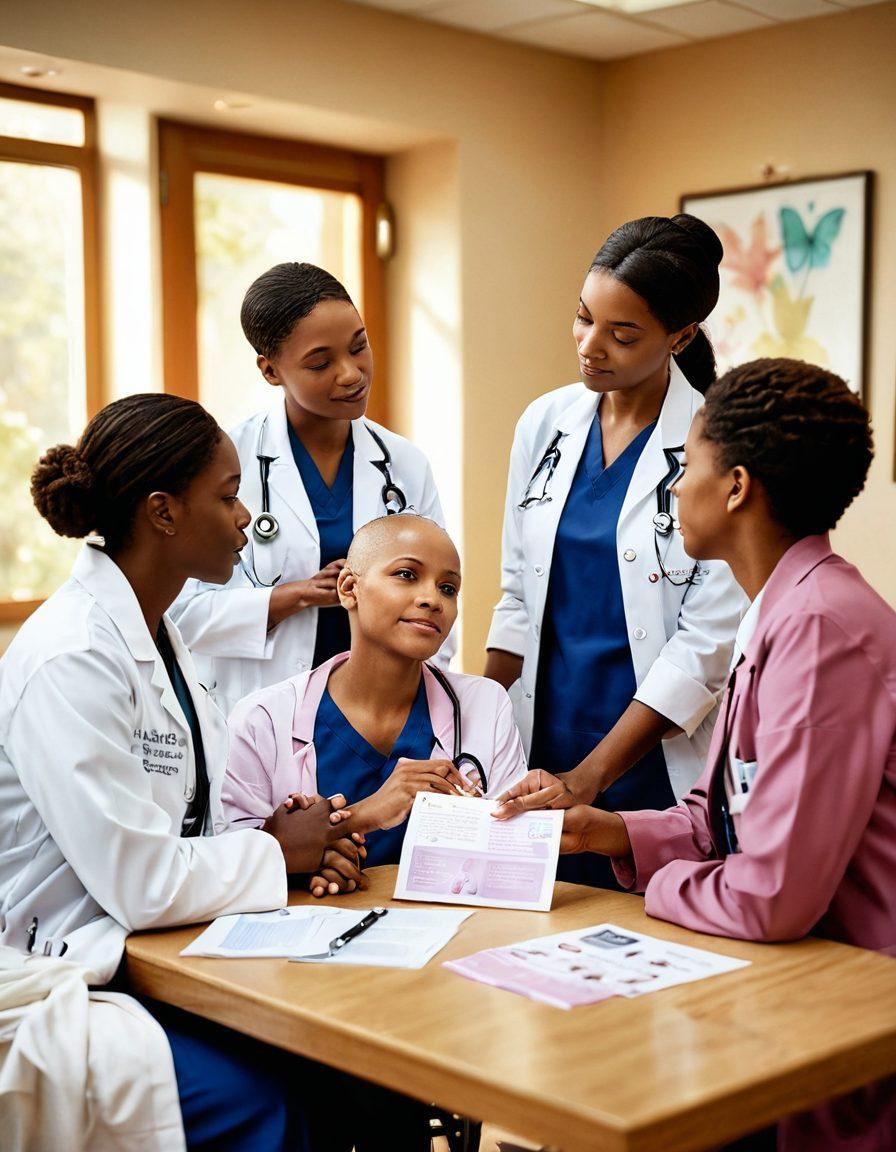
Effective cancer treatment encompasses a range of modern interventions: from chemotherapy to immunotherapy and radiation therapy, each plays a distinctive role in combating tumors. These strategies are often personalized based on the unique characteristics of the malignancy and the patient’s overall health. As patients explore their options, they should engage in candid discussions with their healthcare providers, asking questions like, 'What are the potential side effects?' or 'How will this treatment impact my daily life?' By being informed, patients can actively participate in their own treatment plans, leading to better survivorship outcomes. Remember, knowledge is power, and empowered patients are more likely to advocate for their needs and preferences.
But cancer care isn't solely defined by medical treatment; it’s a holistic journey that integrates lifestyle changes and nutritional support. Incorporating wellness tips, such as engaging in regular physical activity, maintaining a balanced diet, and prioritizing mental health, can create a supportive framework for recovery. This approach often leads to improved quality of life during and after treatment. The journey through cancer treatment can stimulate questions regarding personal habits and lifestyle. Have we been taking our well-being for granted? How can altering our everyday routines make a difference? Reflecting on these questions can help patients discover actionable steps toward healthier living beyond treatment.
Patient support ultimately encompasses social, emotional, and psychological dimensions. Finding support groups—whether in-person or through health blogs—can provide valuable connections between individuals who understand the nuances of fighting cancer. Engaging with fellow survivors can foster a community built on empathy, shared experiences, and encouragement. According to a study published in medical research journals, patients who actively engage with their support networks often have better mental health outcomes and enhanced resilience during treatment. If you're facing a cancer journey, consider reaching out—who can you connect with for support today?
Finally, as we shed light on the critical aspects of cancer care, we must also consider the future of patient advocacy: clinical trials and disease awareness initiatives. Education about ongoing medical research is invaluable, as it empowers patients to consider participation in cutting-edge treatments that may not be widely available. Staying informed about new evidence-based practices and preventive measures can potentially lead to earlier diagnoses and more effective treatments. So, let’s elevate our understanding of cancer care and support. How can we contribute to a society where every individual facing cancer finds not only treatment but also hope, understanding, and empowerment?
Building a Supportive Community: Tools for Holistic Cancer Care and Wellness
In the intricate tapestry of life, cancer casts a long shadow, touching the lives of millions. As we dig deeper into understanding the complexities of oncology and the myriad forms of malignancy, it becomes clear that building a supportive community is essential for effective cancer care. Just think about it: what if the one thing that could help someone facing a tumor was not just the latest cancer treatment, but a robust support network? It’s a powerful thought that underscores the importance of holistic cancer care and wellness.
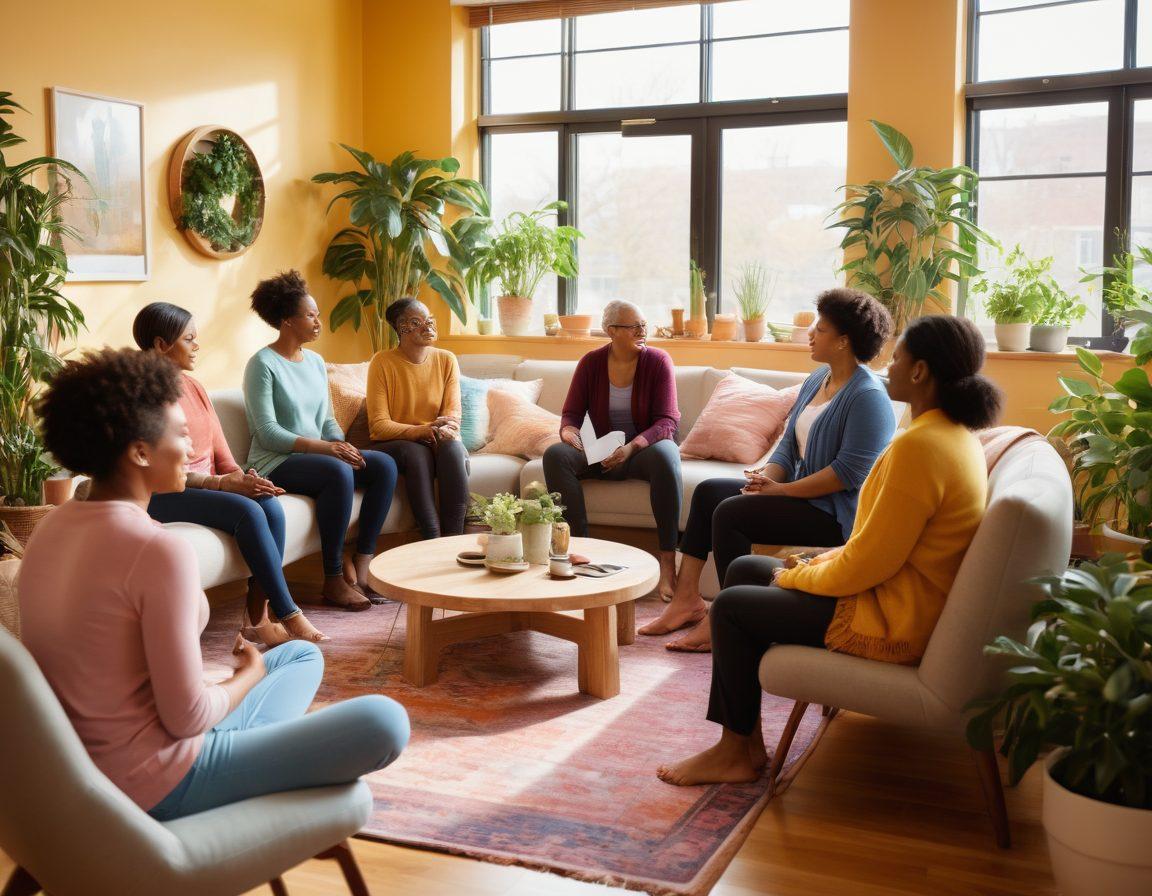
Imagine walking into a room filled with laughter, understanding, and compassion. Picture this as the foundation of a supportive community for cancer patients and their loved ones. In times of uncertainty, such as navigating through chemotherapy or radiation therapy, having someone who truly understands your journey can make all the difference. Have you ever thought about how sharing experiences can empower others? Creating spaces for genuine conversations can foster patient support and transform the cancer care landscape.
In this era of health education, we are lucky to have access to a plethora of resources, from health blogs to disease awareness campaigns. They serve as beacons of hope and knowledge, guiding individuals towards preventive measures that could lead to improved outcomes. But let’s pause for a moment: how well do we utilize these health resources? By staying educated on the latest medical research, including breakthroughs in immunotherapy and clinical trials, we can advocate for ourselves and our loved ones. Knowledge is not merely power; it’s a pathway to survivorship.
As we explore the significance of lifestyle changes, it dawns on us that cancer is not just a medical battle; it’s a holistic fight involving mental health and nutritional support. How often do we think about the psychosocial dimensions of cancer care? Engaging in wellness tips that encompass mindfulness practices, exercise, and balanced nutrition can play a crucial role in recovery. It's about finding ways to nourish not just the body but the soul. Indeed, as we navigate our unique journeys, the little changes have the potential to yield monumental outcomes.
Everyone deserves a circle of support that uplifts and encourages them through the darkest days. Whether you’re a survivor, a caregiver, or someone who has recently been diagnosed, remember this: you are not alone. The power of community can amplify hope, drive positive lifestyle changes, and even enhance palliative care measures. Together, let’s champion collaborative efforts that ensure no one faces cancer in isolation. After all, when lives are empowered through support, the possibilities for wellness light the way to a brighter future.